
Children and Digital Eye Strain
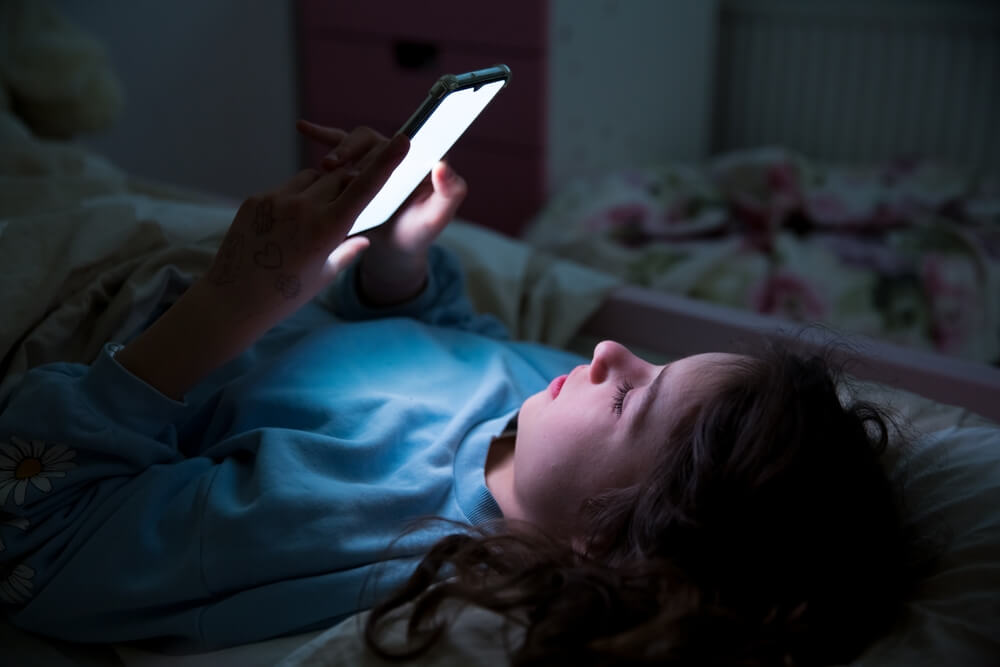
Cell phone use among young people has become the accepted norm. Research carried out by Statista shows that ninety-eight percent of teens ages 16 to 17 in the UK report having access to a smartphone, and nearly half of teens report they are online "almost constantly." This reliance on small screens and even smaller text, sometimes for hours a day, has contributed to a significant increase in digital eye strain. If you or your child is constantly using a small device, the strain placed on your eyes can be uncomfortable and cause dry eyes and vision issues.
According to the College of Optometrists, myopia is now twice as common in children in the UK as it was in the 1960s, and almost 20% of UK teens are now myopic.
Although digital eye strain and myopia are different conditions, increased screen use and reduced time spent outdoors have both been linked with the rising rates of childhood myopia. This has led many eye care professionals to describe the increase as a 'myopia epidemic'
Our optometrist's insight: Digital devices have become part of everyday life for both children and adults, but our eyes weren't designed to spend hours focused on a small screen without a break. Digital eye strain won't permanently damage your eyesight, but it can cause uncomfortable symptoms such as tired eyes, headaches, blurred vision, and dryness. Simple habits like taking regular breaks, blinking more often, keeping screens at a comfortable distance, and having regular eye examinations can make a significant difference. If symptoms persist despite these changes, it's worth having your eyes examined to rule out an underlying vision or focusing problem.
What Is Digital Eye Strain?
Digital eye strain is sometimes called computer vision syndrome, and eye strain itself is called aesthenopia, Aestheno- meaning loss of strength, and Opia - relating to the eyes.
Digital eye strain can be caused by staring at a digital screen for long periods of time, although people who already suffer from dry eyes may notice symptoms after only ten or fifteen minutes on the computer. Symptoms of digital eye strain can include:
- Red, dry, and irritated eyes.
- Blurry or "wavy" vision in one or both eyes.
- Fatigue, or excessive yawning.
- Headaches and migraines that are especially focused around or behind the eyes.
- Neck and shoulder pain or stiffness.
- Seeing the words on the screen moving when they are stationary. This is usually noticed in individuals who have issues with their binocular vision already, but it can happen to people with normal vision.
What Causes Digital Eye Strain?
Our eyes are meant to move. They are controlled by several sets of muscles and slide around easily in their sockets. When we use electronic devices, our eyes are not moving much, and our rate of blinking slows down, in addition to narrowing our field of vision. After several hours of this, the strain on the muscles responsible can become too great. This leads to the discomfort and dry eyes associated with eye strain. As with any overuse injury, the pain can radiate, causing other symptoms you may not even realize are being caused by the eye strain, such as migraines and neck pain. There are also other causes such as lighting, glare, viewing distance, and uncorrected vision issues, which are explored in depth below.
Avoiding Digital Eye Strain In Children And Adults
There are many different strategies you can use to avoid digital eye strain in both children and adults. Making some small changes can be a big help in alleviating digital eye strain
Make Sure Your Child Has An Eye Exam
Digital eye strain can be made much worse if a child's eyesight is not corrected properly. If your child doesn't need corrective lenses at all, their optometrist can also check whether they have focusing or binocular vision problems that may contribute to symptoms during prolonged screen use. Corrective lenses can also cut down on glare, which can contribute to eye strain and other symptoms such as headaches and even migraines. Talk to your child's optometrist about eye strain so that he or she can check vision at a digital screen distance.
Minimize The Glare And Use Proper Lighting
Proper lighting can help reduce digital eye strain. If your child is constantly peering at their device's screen through the reflection of a lamp, or they have the backlighting turned down constantly, try correcting these issues. The same can be said for smeared, dirty screens that may make the content harder to see, causing a child to squint. To reduce strain, make sure the devices are properly lit and backlit, as well as being free of oils from fingerprints and oils from their hands.
Remember to Blink
One of the most common symptoms of digital eye strain is dry, irritated eyes. To combat this, try to encourage your child to blink more often and not to use their devices in front of a fan or open window. If dryness persists, consider asking their optometrist about wetting drops to help keep their eyes moist and comfortable.
Limit The Time Spent On Digital Devices
If your child is going to be spending a long session online, gaming, following social media posts, or even studying, suggest they use a desktop computer or laptop if possible. The larger screen such as a laptop, desktop computer or tablet, can help ease the strain on the eyes, as well as offer a wider field of vision. Even a hand-held tablet is better than using a smartphone for hours.
Take Breaks During Usage
Encourage children to look away and refocus elsewhere occasionally while using a device. This allows the eye muscles to relax and your eyes to refocus.
Some people find it helpful to look out a window or focus on a piece of art across the room. Try to prevent them from spending hours hunched over their device. They should get up and stretch their body as well, at least once every half hour or so. During the break, it would help if they could do some light stretching to avoid back, neck, and shoulder pain.
If your child is old enough, explain the 20-20-20 rule - after every 20 minutes of looking at a digital screen, look at something which is at least 20 feet away for 20 seconds. The 20-20-20 rule helps reduce eye strain and encourages blinking, but it's also important to stand up, stretch and change posture regularly during long periods of screen use.
Take Tasks Offline, if Possible
If your child is in school and has online textbooks, they may be tempted to do all of their reading on their phone. After all, it's very convenient!
If long periods of reading are required, encourage your child to alternate between digital and printed material where practical. Increasing text size, reducing screen glare and taking regular breaks can also make extended reading more comfortable. It's easier on the eyes to read from a paper source than it is to stare at a backlit screen.
Digital eye strain isn't harmful to our vision on its own, but the symptoms can be very uncomfortable and distressing, and the long-term effects have yet to be seen. If your child or you are showing signs of eye strain, contact your local optometrist and schedule an appointment or mention it during your next (regular) eye exam.