The Best Eye Drops For Dry Eyes
Due to the increasing number of people experiencing dry eye syndrome, looking at how to treat dry eyes, there are now numerous types of eye drops in the marketplace. With so many over-the-counter (OTC) eye drops on store shelves, it’s understandably difficult for most of us to decide which eye drops are ideal for our symptoms. Not all eye drops are created equally, and some could even cause adverse side effects.
Here our optometrist reviews a few essential features of the major OTC and prescription eye drops available. He’ll also go over a few tips for getting the most out of your medication and the dangers of eye-drop dependence.
Our Optometrist's Advice
“There isn't one rule that applies to every eye drop and every contact lens. Being preservative-free does not automatically make a drop suitable for use with contact lenses.
Always check the label or patient information leaflet for the specific product you are using. If you're unsure whether an eye drop is compatible with your contact lenses, ask your optometrist or pharmacist before using it.”
John Dreyer BSc (Hons), MCOptom, DipCL
Optometrist & Clinical Content Reviewer
Which Eye Drops to Use and When?
Best Eye Drops For Moderate Dry Eyes: Artificial Tears
For quick relief from mild to moderate dry eye symptoms, artificial tears or lubricating eye drops are commonly used. They are designed to supplement the natural tear film and can help relieve dryness, grittiness and irritation.
Some artificial tears contain preservatives, while others are preservative-free.Preservative-free drops may be preferable for people who need to use lubricating drops frequently or who are sensitive to particular preservatives, but preservative-free does not automatically mean suitable for use while contact lenses are in your eyes.
If you wear contact lenses, check the packaging or patient information leaflet to make sure the specific product is approved for use with your type of contact lenses. Some lubricating or rewetting drops are designed to be applied while lenses are being worn; other eye drops require you to remove your lenses first and wait for the manufacturer's specified time before reinserting them.
If a drop causes persistent stinging, redness, pain or changes in vision, remove your contact lenses and seek advice from your optometrist.
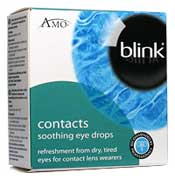
Best Eye Drops For Contact Lens Wearers: Rewetting Eye Drops
If your eyes feel dry or uncomfortable while wearing contact lenses, look for lubricating or rewetting drops specifically labelled as suitable for use with contact lenses.
These products are formulated for use with compatible contact lenses and can temporarily improve lubrication and comfort. However, not every lubricating eye drop is suitable for every lens material or for application while lenses are being worn, so always follow the instructions for the individual product.
If discomfort continues despite using appropriate rewetting drops, remove your lenses rather than repeatedly using drops to mask the symptoms. Persistent dryness, redness, pain or blurred vision should be discussed with your optometrist.
Explore preservative-free eye drops for Dry Eyes
Best Eye Drops For Allergy Sufferers: Antihistamine Drops
Eye allergies can cause itching, watering and redness when the immune system reacts to allergens such as pollen, animal dander or dust mites. Antihistamine eye drops can help relieve allergy-related eye symptoms, but contact lens wearers need to take additional care.
Do not assume that an antihistamine eye drop can be used while wearing contact lenses. Instructions vary between products. Many antihistamine drops require contact lenses to be removed before application and specify how long you should wait before reinserting them. For example, some commonly used ketotifen and olopatadine products specify a wait of at least 10 minutes, rather than simply “a few minutes”.
Always follow the instructions supplied with your particular eye drops. Do not wear contact lenses if your eyes are red or significantly irritated, and remember that antihistamine drops intended to treat an allergic reaction should not be used simply to treat irritation caused by contact lenses. Current ketotifen and olopatadine product labels specifically make that distinction.
If allergy symptoms are persistent or you are unsure which eye drops are suitable with your lenses, ask your optometrist, pharmacist or doctor for advice.
Best Eye Drops For Red Eyes: Decongestant Drops
Although many people who suffer from allergy-related dry eyes make the mistake of picking up a bottle of decongestant drops to relieve their symptoms, the primary reason people should take decongestant drops is to get rid of excessive eye redness, not to alleviate dry eye symptoms. For this reason, you might find decongestant drops listed as anti-redness drops.
There are a few different kinds of decongestant drops out there, but most of these products use some kind of vasoconstrictor as their active ingredient. This chemical causes your eyes’ blood vessels to shrink, which improves the appearance of your eyes.
It is only recommended to use decongestant drops on rare occasions. Since this medication causes the eye vessels to shrink, it decreases the amount of blood that’s able to flow into the cornea. Not only does this increase dry eye symptoms, but it could also cause serious damage to your eyes over time.
Contact lens wearers should not assume that redness-relief or decongestant eye drops can be used with their lenses in place. Remove your lenses unless the specific product instructions state that it is suitable for use during contact lens wear, and follow the manufacturer's instructions about when lenses can be reinserted. If your eye is red, painful or uncomfortable, leave your lenses out and seek advice rather than using drops simply to disguise the redness.
Best Eye Drops for More Persistent Dryness: Lubricating Gels and Ointments
If ordinary artificial tears do not provide enough relief, thicker lubricating gels or ointments may help. These products stay on the eye longer than standard drops and can provide longer-lasting lubrication for people with more persistent dry-eye symptoms.
Because gels and ointments are thicker, they can temporarily blur vision. Ointments in particular are often more convenient to use before bedtime for this reason, although the correct timing depends on the individual product and your eye-care professional’s advice.
As with other eye drops, check whether the specific product contains preservatives and whether it is suitable for contact lens wear. Do not assume that a preservative-free gel or ointment can be used while lenses are in your eyes. Follow the manufacturer's instructions about removing and reinserting lenses.
If you wear extended-wear lenses, ask your optometrist how lubricating gels or ointments fit into your particular wearing schedule rather than applying them over lenses unless the product is specifically approved for that use.
Can I Get Prescription Eye Drops?
Over-the-counter medication is readily available and a great option for finding relief from dry eyes but it will not treat any underlying cause.
If you are unable to get long-term relief from over-the-counter eye drops then discuss your dry eyes with your optometrist or family doctor. They will discuss your lifestyle, contact lens-wearing habits etc with you to determine the probable cause of your dry eyes.
If required your doctor can prescribe medications such as Ciclosporin, Corticosteroid, Omega 3 Fatty Acids, and even Tetracycline Tablets, which are not available over-the-counter.
Getting the Most Out Of Your Eye Drops
Administering eye drops can be tricky at first, but with a bit of practice, you'll soon be getting the drop into your eye the first time, every time.
Here is an effective method to safely apply drops in your eyes 100 percent of the time:
• Thoroughly wash and dry your hands.
• Sit comfortably with your head tilted to the ceiling.
• Focus upwards as you pull one lower eyelid down with two fingers.
• Hold the eye dropper with your other hand and point the tip towards your eye. This dropper should not touch your eye and be no more than an inch away.
• For greater stability, let this hand gently rest against your forehead.
• When you’re ready, squeeze the bottle.
• Remove both hands and close your eyes for about three minutes.
Like any skill, squeezing drops directly into your eyes is a skill that requires practice. Some people find it helpful to enlist a family member or friend to apply the eye drops - particularly if only needed for a few days.
Can You Become Dependent on Eye Drops?
Most lubricating eye drops do not cause addiction in the usual sense, and using artificial tears does not make your eyes “forget” how to produce tears.
However, some types of eye drops can cause problems if they are overused. In particular, redness-relief or decongestant drops that constrict blood vessels can cause rebound redness when used repeatedly or for too long. The eyes may appear redder again as the effect wears off, which can tempt people to use the drops more frequently and create a cycle of repeated use.
Frequent use of preserved lubricating drops can also irritate the ocular surface in some people, which is one reason preservative-free formulations are often considered when drops are needed several times a day.
If you find that you are relying on eye drops frequently, or your symptoms return as soon as the drops wear off, speak to your optometrist. Persistent dryness, redness or discomfort may need assessment so the underlying cause can be addressed rather than repeatedly treating the symptom.
How To Relieve Dry Eyes Without Medication?
Although OTC drops are great for quick symptom relief, they aren’t the only way dry eye sufferers could combat their symptoms. A few lifestyle changes like limiting electronic screen exposure, getting more natural sunlight, and eating a diet rich in veggies, fruits, and omega-3 fish are all great ways to improve eye health long-term. Although omega-3 doesn't help with dry eyes according to the latest studies carried out, it has been proven to help with a wide range of other eye issues.
As a short-term remedy, eye drops can be very beneficial for dry eye sufferers. For persistent dry eyes always discuss your dry eye symptoms with a qualified optometrist to better understand what’s the best solution for your condition.